This artwork may be protected by copyright. Download is for study & reference only — not for commercial use. If you are the rights holder and object to its display, click here to report and we will remove access within 24 hours.
"Tajik Bride" is an oil on canvas painting created by Jin Shangyi in 1983, now in the collection of the National Art Museum of China. The painting uses strong chiaroscuro, clear outlines, and pure, intense colors to depict a shy, reserved, elegant, and serene Xinjiang woman.
Through the beautiful and moving image of the Tajik bride, with her slightly shy and restrained expression, and her strong, passionate feelings in pursuit of a happy life, it imparts a sense of beauty and purity, expressing the author's subjective feelings and strong longing for life, integrating artistic style, aesthetic ideals, and life aspirations. The painting merges the "meaning" of Chinese aesthetic taste with the "form" of Western oil painting language, expressing the spiritual beauty and human beauty of Chinese people in real life, vividly reflecting the author's artistic pursuit. This painting was also recognized by the Chinese oil painting circle at the time as the beginning of "Neoclassicism." Chinese title: Tajik Bride Author: Jin Shangyi Medium: Canvas Size: 60 cm in height, 50 cm in width Year: 1983 Current location: National Art Museum of China Painting type: Oil painting Content: The painting depicts a Xinjiang Tajik bride, using front-side lighting, with delicate brushstrokes portraying the beautiful image of a bride in red clothing and a headscarf.
The bride's beautiful and moving face, lowered eyelids, and smiling lips reveal the shyness and joy of marriage, expressing her pursuit and longing for a happy life. Background: Jin Shangyi went to the United States for artistic research, visiting major museums in the eastern and western U.S. to observe and study a large number of European oil painting masterpieces, gaining a unique understanding of the language and characteristics of European oil painting, and realizing the strong chiaroscuro system inherent in traditional European oil painting.
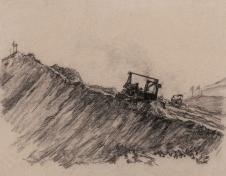
After returning to China, Jin Shangyi went to Tajik ethnic minority areas such as Tashkurgan in Xinjiang for field research, and happened to witness a wedding of a local young couple. Jin Shangyi used on-site sketching to outline the bride's posture, shyness, and attire...